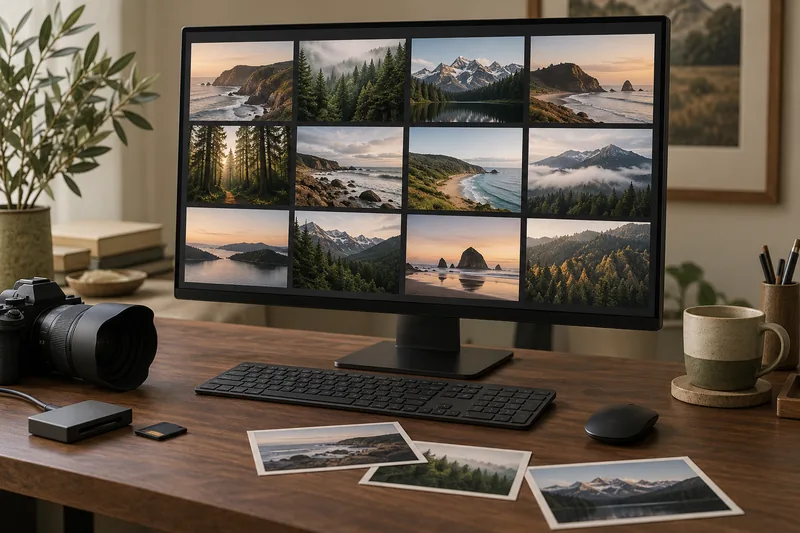
Allocate a file-size limit across duration, audio and an explicit reserve. Keep a local delivery record, and optionally inspect browser-readable metadata without uploading the selected video.
On this page
How to use the result
Confirm the recipient’s units, full duration and whether the limit applies to one file. Enter the total bitrate for every required audio stream. Choose a reserve for the planning model and verify the actual exported byte count; rate-control settings and container data can make a simple estimate imperfect.
Worked reference case
At a decimal 100 MB limit, 60 seconds, total audio 320 kbps and 5% chosen reserve, usable space is 95,000,000 bytes. The remaining total average budget is 12.667 Mbps, leaving 12.347 Mbps for video. With zero reserve it would be 13.013 Mbps for video. MB and MiB produce different results because they represent different byte counts.
Formula and boundaries
Usable bytes = maximum bytes × (1 − reserve/100). Total average Mbps = usable bytes × 8 ÷ duration seconds ÷ 1,000,000. Average video Mbps = total average Mbps − total audio kbps/1000. A negative or zero remaining video budget is invalid for this model.
The optional file reader uses a temporary browser object URL. It reads the selected file locally for duration and pixel dimensions, then releases the URL. It does not upload the file, inspect codecs or color tags, establish frame-rate cadence, or certify quality. Browser support can be narrower than the editor’s support. The selected media itself is excluded from downloaded job records.
Keep and review the record
Calculate a valid result before downloading JSON or CSV. Downloads contain the current calculated inputs, configuration notes and results. If you edit inputs after calculating, calculate again before saving. The record is a decision aid, not a certificate. Do not put passwords, private addresses or unrelated personal data into the notes.
Verification and evidence
The workbook arithmetic is checked with reference and invalid-input cases in the release source. These are software checks, not physical product tests or a measurement of encoder quality. AI assisted drafting and implementation. The original formulas, constraints and worked examples are visible here so a reader can audit the result.
Continue with a specific guide
Browse all guides and editable worksheets · Published library update record
Build on what you just learned
Your next useful step.
Budget the size, inspect the export, keep a record.
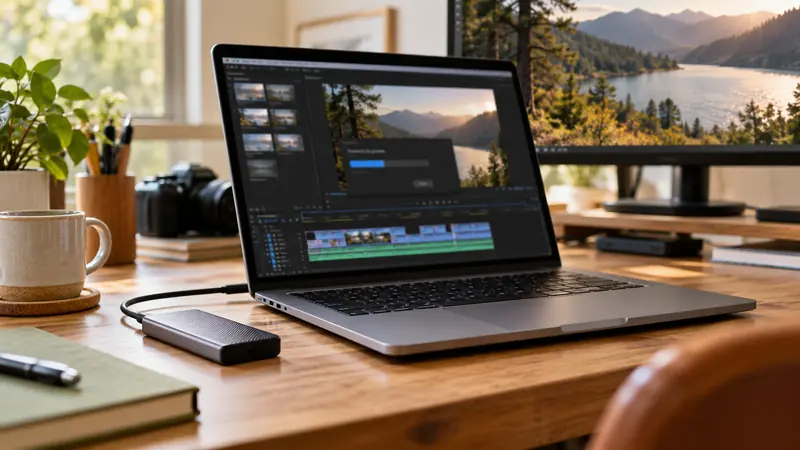
Generative Extend: a few extra frames still need an editorial review
I would use generated extensions for a deliberate transition or timing need, then inspect the new frames and identify them in the project record.
Read the guide →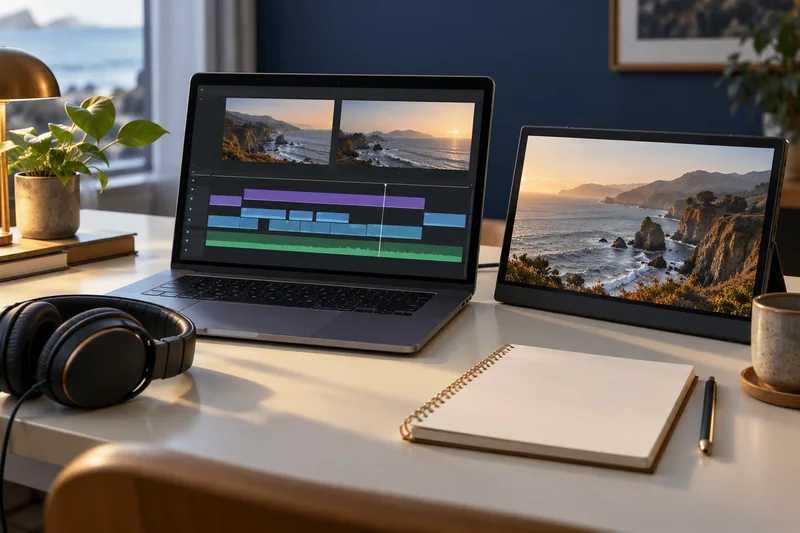
Budget video bitrate for a hard file-size limit
Allocate the total size budget across duration, audio and a stated reserve before choosing video bitrate. Then measure the actual exported bytes, especially when…
Read the guide →